Case Study
Peer-reviewed animation to support mental health understanding
Why this work started
There is a point many people reach before they ever look for help.
Something feels wrong, but they cannot quite explain what it is. They know their reactions have changed. Their body feels different. Their thoughts are louder, faster, or strangely absent. When they try to talk about it, the words fall apart.
I see this often in clinical work. Partners, parents, and friends notice it too. Everyone senses that something is happening, yet no one feels confident naming it. Confusion, more than resistance, becomes the first obstacle.
The animations described here were developed in response to that moment.
They are short, AI-assisted films intended to support early understanding. They are not therapy and do not replace clinical care. Their purpose is simpler. They help people recognise what might be happening when stress, emotion, or behaviour begins to feel unmanageable.
The problem they were trying to solve
Most mental health information assumes the reader has the space and capacity to take it in. In reality, distress often arrives with reduced focus, low tolerance for complexity, and a strong urge to avoid anything that feels demanding.
Face-to-face support can also feel like too much, too early. Being asked to explain yourself before you understand what is going on can feel exposing. For some people it leads to disengagement rather than relief.
Families and caregivers describe a different strain. They observe changes in mood, sleep, irritability, withdrawal, or panic, but lack a shared language to talk about it. Without that language, frustration and self-blame tend to fill the gap.
Clinically, understanding usually comes before change. When people cannot make sense of what is happening, shame builds quickly and support feels further away, not closer.
What was created
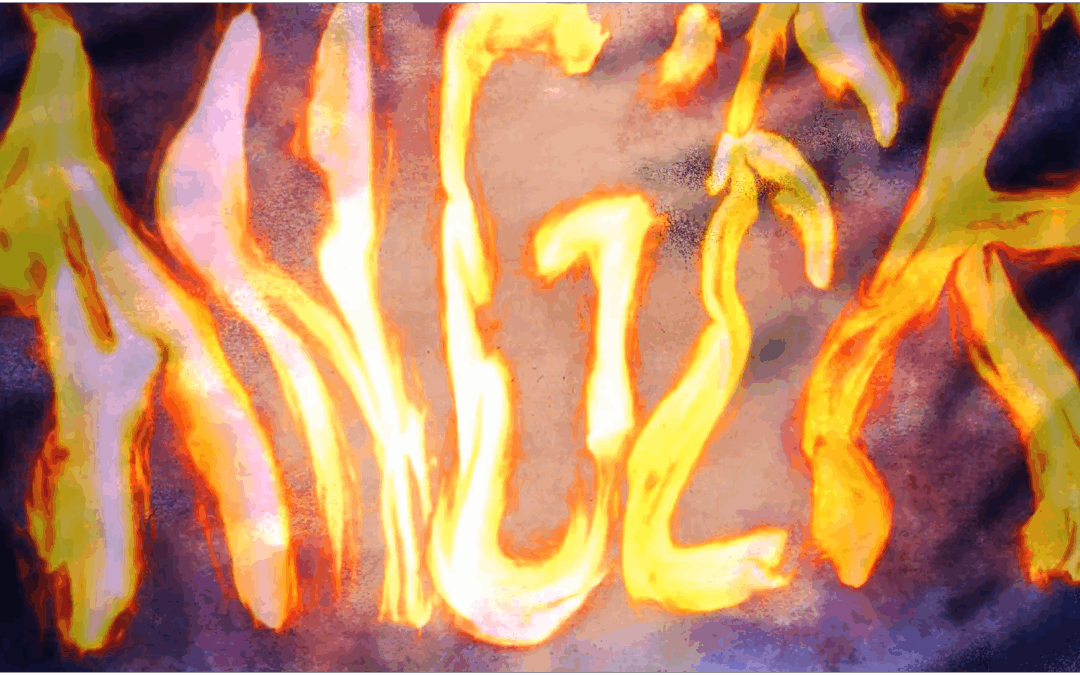
Following a period of bespoke AI healthcare consulting, a series of short animated films was developed, most running at around a minute. Each one focuses on a single psychological experience, such as anxiety, anger, emotional overload, shutdown, or numbness.
I wrote the scripts myself, drawing on clinical practice. They were then peer reviewed to check for accuracy and ethical care. That step mattered. Simplifying experience should not mean distorting it.
Animation was chosen because it can show internal states without asking anyone to talk about themselves. Metaphor allows recognition without exposure. People often say this distance makes it easier to see what is happening rather than feeling labelled or analysed.
Over time, the films have been used with people of very different ages and levels of psychological understanding.
Access and use
The films were designed to be watched privately. In practice, that usually means on a phone, using platforms people already visit.
This allows engagement at a moment that feels tolerable. There is no appointment, no explanation, and no requirement to tell anyone else what you are watching.
The same format also works within wider mental health campaigns. It offers reach while preserving anonymity, which many other approaches struggle to achieve.
What happened in the real world
Since 2023, the animations shared through my Instagram account have been viewed, saved, and shared more than 200,000 times. This engagement has been organic rather than paid.
The saves are particularly telling. They suggest people return to the films during moments of difficulty. Shares point to something else again. Viewers use the films to communicate when words feel hard to find, often with partners, friends, or family members.
In mental health work, voluntary engagement matters. You cannot force readiness. You can only make it easier to approach.
Use across organisations
The films are now used across charities, healthcare services, schools, workplaces, and community organisations.
NHS Trusts and local councils include them in public health messaging. Corporate wellbeing teams offer them as resources employees can access without identifying themselves. Schools and third-sector services use them to open conversations that might otherwise feel too difficult to begin.
Across these settings, the films provide a shared reference point. They make it easier to talk about experience without pushing anyone towards action before they are ready.
Clinical observations
Within my psychotherapy practice, I have seen the effects of this approach repeatedly.
One client with long-standing anxiety described recognising early bodily signs of panic after watching a film. That awareness created a pause. The panic still arrived, but it no longer felt completely out of the blue.
In work with substance misuse, animation has helped people understand dopamine-driven patterns of craving and relief. Clients and families often say the process makes more sense when they can see it rather than read about it.
These moments are small, but they matter. They create space for reflection and often come before someone feels able to ask for help.
Privacy and first steps
For many people, privacy is not optional. It is what makes engagement possible.
These films allow quiet reflection without exposure. In my experience, that private first step is often what leads, later on, to contact with a GP, therapist, or support service.
Cost and scale
Advances in AI have reduced the cost of producing animation.
What was once unrealistic for many charities and non-profit organisations is now achievable within ordinary budgets. This makes it possible to scale evidence-informed mental health communication without losing clinical oversight.
Conclusion
This case study describes one way peer-reviewed animation can support mental health understanding.
When life feels unmanageable, making sense of experience usually comes before action. For many viewers, recognising themselves in a short film is enough to change what happens next. It becomes the point where coping begins, and where seeking further support starts to feel possible.
by Quint Boa, AI Video Executive & Producer
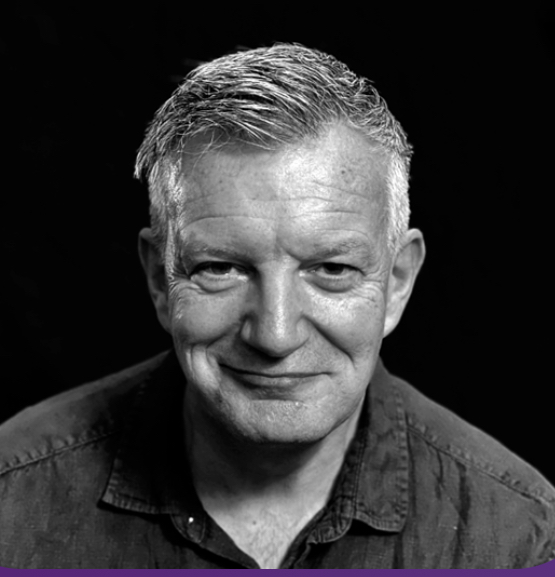
Quint is an Executive Producer specialising in AI video production for the healthcare sector. Quint has worked for over 40 years in the film, radio, and television industries. Twenty-five years ago, he founded Synima, a global video production company. Quint has embraced artificial intelligence in the creative process. Working with trusted colleagues, he’s developed a hybrid approach to AI within video production that expedites workflows and reduces costs. Quint believes ‘your health is your wealth’ and is enthiastic about every aspect of healthcare. As a UKCP-qualified psychologist, Quint feels uniquely equipped to support the communication challenges the healthcare faces by combining his experience with AI video production techniques, psychological insight and practical solutions.