
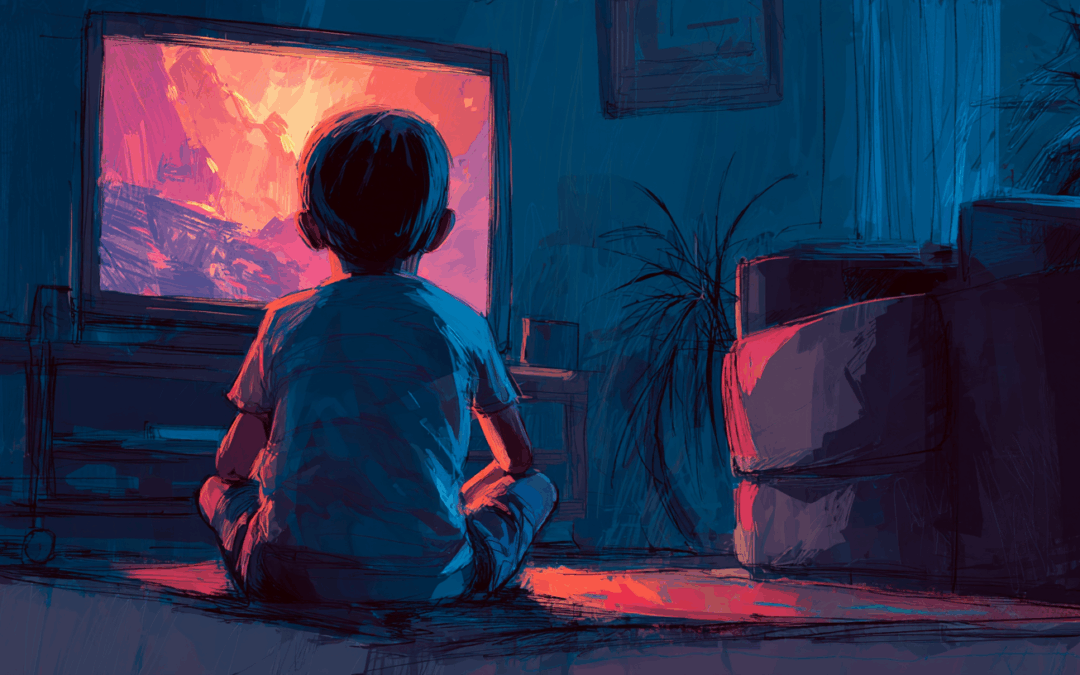
Using AI in Pre-Production for TV Commercials
The most expensive part of a television commercial is not the media spend. It is the shoot day.
Locations, crew, talent, set builds, travel, insurance, and overtime all add up quickly. Once cameras roll, every creative decision becomes harder and more expensive to reverse. This reality has shaped how cautious pre-production has become.
Ideas narrow early. Storyboards become defensive. Risk is managed through reduction.
AI changes this, when it is used properly. Not as a replacement for directors, designers, or cinematographers, but as a way to explore ideas more thoroughly before committing to a single path. I think of it as a creative laboratory inside pre-production.
Where Traditional Pre-Production Breaks Down
Most pre-production tools were never designed to resolve uncertainty. They describe ideas rather than test them.
Scripts are abstract. Storyboards are static. Mood boards rely heavily on imagination and trust. Animatics are slow and expensive to revise.
As a result, many conversations between agencies and clients happen in language rather than images. Everyone agrees, but often on slightly different interpretations of the same idea. This is where AI-generated animatics and AI pre-visualisation become genuinely useful, and where much of my work now sits.
Turning Scripts Into a Shared Visual Reference
I produce AI animatics and AI previs for advertising agencies, PR firms, and digital marketing teams who need to turn scripts into something concrete early in the process.
Instead of debating tone, pace, or visual style in abstract terms, everyone reacts to the same moving reference. Shots can be reworked. Pacing can be adjusted. Visual approaches can be tested. Entire sequences can be reimagined quickly. This changes the quality of the conversation.
If you only have a location for a limited window, you want to use that time well. You do not want to discover halfway through the shoot that a sequence does not work, or that a creative decision looked better in theory than in practice. An AI animatic allows everyone to see what will happen before it happens. That alone removes a significant amount of unnecessary risk.
Exploring Ideas Before They Become Expensive
Used sensibly, AI allows creative teams to explore different casting types and performances, multiple visual styles, alternative locations or set designs, colour palettes and lighting approaches, variations in emotional tone, and more complex or unconventional sequences, all before a crew is booked.
Instead of presenting a single polished idea and hoping it lands, agencies can show several credible directions. Clients respond to what they can see, not what they are trying to imagine. Alignment happens earlier, and when alignment happens early, compromise happens less later.
Winning Pitches Without Overpromising
Agencies rarely lose pitches because their ideas are weak. They lose because clients cannot clearly see the idea.
Scripts remain abstract. Decks become crowded. Mood films are borrowed from other brands. Everyone is asked to imagine the finished result. An AI animatic changes that dynamic.
It allows an agency to present a living version of the idea. Not a finished commercial, but a credible preview of how it will feel, move, and land. This gives clients confidence and reduces the temptation to oversell. You are no longer promising what something might become. You are showing what it is intended to be. That tends to attract the right kind of client.
Making Client Approval More Stable
Most production problems are not technical. They are psychological.
A client signs off intellectually, then panics emotionally once money is committed. AI animatics help close that gap.
When a client has already seen the rhythm, tone, and structure play out on screen, approval becomes less theoretical and more experiential. Later conversations become calmer. Scope erosion slows. Trust holds.
Fewer Revisions and Shorter Timelines
Traditional workflows create bottlenecks. Script approval. Storyboard approval. Animatic approval. Pre-production approval. Shoot approval. Edit approval. Each stage introduces fresh interpretation.
With AI animatics, many of these conversations collapse into one. Tone, pacing, performance, camera logic, and structure are resolved early. Later stages become execution rather than negotiation.
For agencies, this often means fewer revision cycles, shorter feedback loops, less unpaid creative labour, and more predictable schedules. That matters more than most creative awards.
Cost Control Without Shrinking Ambition
From a client perspective, this approach is not just about creativity. It is about avoiding avoidable waste.
Late changes can trigger new builds, additional shoot days, penalties, overtime, or re-shoots. Costs escalate quickly. AI-driven pre-visualisation reduces the likelihood of these mistakes. Weak ideas are abandoned earlier. Strong ideas are refined properly. Riskier concepts are tested safely.
Sign-off becomes more confident because it is informed by something concrete. Creative decisions are tested early. Production specifications become clearer. Timelines become more realistic. Delivering work on spec and on time becomes far easier.
Protecting Agency Margins
Late changes rarely hurt the client. They hurt the agency.
They consume account management time, creative time, production time, and goodwill. None of which are easily invoiced. By resolving uncertainty early, AI animatics quietly protect margins.
They reduce scope creep, emergency re-briefs, weekend revisions, political reversals, and internal firefighting. That alone makes them commercially sensible.
Planning Beyond the TV Spot
Most campaigns no longer live in a single format. They become cut-downs, social versions, vertical edits, platform-specific variants, and international adaptations.
AI pre-visualisation allows agencies to design for this reality from the start. Sequences can be tested for framing, pacing, and modular structure long before editorial begins. This avoids the familiar problem of trying to extract digital assets from something that was only ever designed as a 30-second television commercial.
Why Production Experience Still Matters
AI tools are only effective when guided by production reality.
I have spent decades producing commercials, films, and animation for agencies, brands, and broadcasters. That experience shapes how these animatics are built. They are not visual sketches. They are grounded in what can actually be shot.
Camera language, edit rhythm, performance, continuity, logistics, and schedule constraints all matter at this stage. The purpose is not to impress. It is to remove uncertainty.
A Calmer and More Curious Creative Process
There is another benefit that is harder to measure.
Early creative meetings often become emotional. Agencies defend ideas. Clients worry about risk. Fear of dilution sets in. A moving reference changes that dynamic.
Teams compare outcomes rather than interpretations. Clients respond to what they feel rather than what they are told they should feel. Discussions become more practical and less political. That is healthier for everyone involved.
Television advertising has become careful because production is expensive. AI allows pre-production to become curious again. Not reckless. Not automated. Just more open.
For agencies, this usually leads to stronger work. For clients, it leads to fewer surprises. For the commercial itself, it often means braver ideas surviving long enough to be made.
by Quint Boa, AI Video Executive & Producer
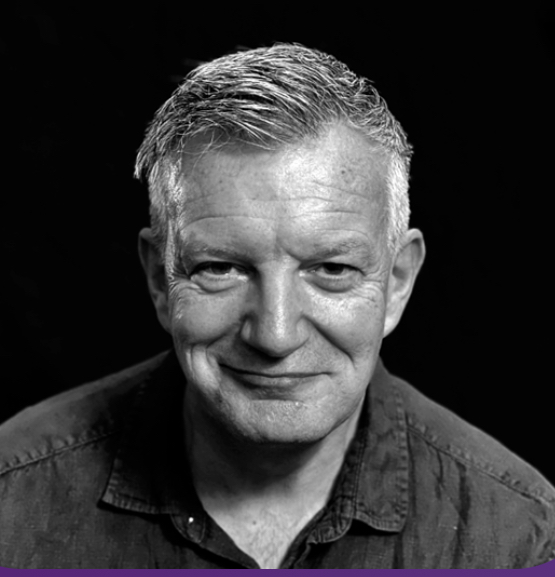
Quint is an Executive Producer specialising in AI video production for the healthcare sector. Quint has worked for over 40 years in the film, radio, and television industries. Twenty-five years ago, he founded Synima, a global video production company. Quint has embraced artificial intelligence in the creative process. Working with trusted colleagues, he’s developed a hybrid approach to AI within video production that expedites workflows and reduces costs. Quint believes ‘your health is your wealth’ and is enthiastic about every aspect of healthcare. As a UKCP-qualified psychologist, Quint feels uniquely equipped to support the communication challenges the healthcare faces by combining his experience with AI video production techniques, psychological insight and practical solutions.