
Trauma Case Study
Explaining trauma responses without retelling trauma
Where this work began
This project grew out of a familiar moment in the therapy room.
People often describe strong physical and emotional reactions without knowing what they are responding to. Panic arrives without warning. The body freezes. Sleep becomes shallow. Emotions flood in or disappear altogether. When there is no clear explanation, many people turn that confusion inward. Shame and self-blame follow quickly.
I wanted to see whether a short animation could help explain trauma responses in a way that felt steady rather than overwhelming. Not as treatment, and not as a story about what happened, but as an explanation of what the body is doing now.
That question became the basis for this work.
The difficulty it was responding to
Trauma rarely presents as a neat narrative. More often, it shows up through the nervous system.
People experience hypervigilance, freezing, emotional numbing, or sudden panic without an obvious trigger. These reactions can feel frightening and inexplicable, particularly when the original danger has passed.
Written resources often struggle here. Trauma does not operate at a purely cognitive level, so text-heavy explanations can feel distant or ineffective. The challenge was to create something that felt recognisable without being activating.
What the animation needed to do
The film needed to explain trauma responses without pulling viewers back into traumatic material.
Rather than depicting events, the focus stayed on process. How the body’s alarm system responds to threat. How that response can remain active long after danger has gone. How this can shape mood, attention, and behaviour.
Pacing mattered. So did restraint. The animation had to be slow enough to feel containing, and simple enough to be followed without effort.
Who it was made for
The animation was designed for adults who want to understand trauma responses, whether in themselves or in others.
This included people living with anxiety or post-traumatic stress, family members trying to make sense of a loved one’s reactions, and professionals who encounter trauma in their work without specialising in it.
The film needed to work across different settings, including therapy rooms, training environments, workshops, and conferences. That meant keeping the tone calm and the imagery non-intrusive.
My role in shaping the work
I acted as Executive Producer and held responsibility for the psychological framing of the project.
All creative decisions were informed by my clinical background as a UKCP psychotherapist with many years of experience working with trauma and addiction. My own long-term recovery from alcoholism also shaped the approach. It has taught me how easily shame can grow when bodily reactions are misunderstood or judged.
That understanding guided how themes of vulnerability and containment were handled throughout.
Clinical review and safeguards
To strengthen the work clinically, I arranged peer review with psychotherapist James Earl.
The review focused on psychological accuracy, clarity of metaphor, and the risk of misunderstanding. Particular attention was paid to how the animation might be received by people at different stages of recovery.
Feedback informed changes to language, pacing, and visual emphasis. The aim was to remain explanatory rather than diagnostic, and supportive rather than provocative.
The creative approach
The animation followed a psychoeducational structure rather than a narrative one.
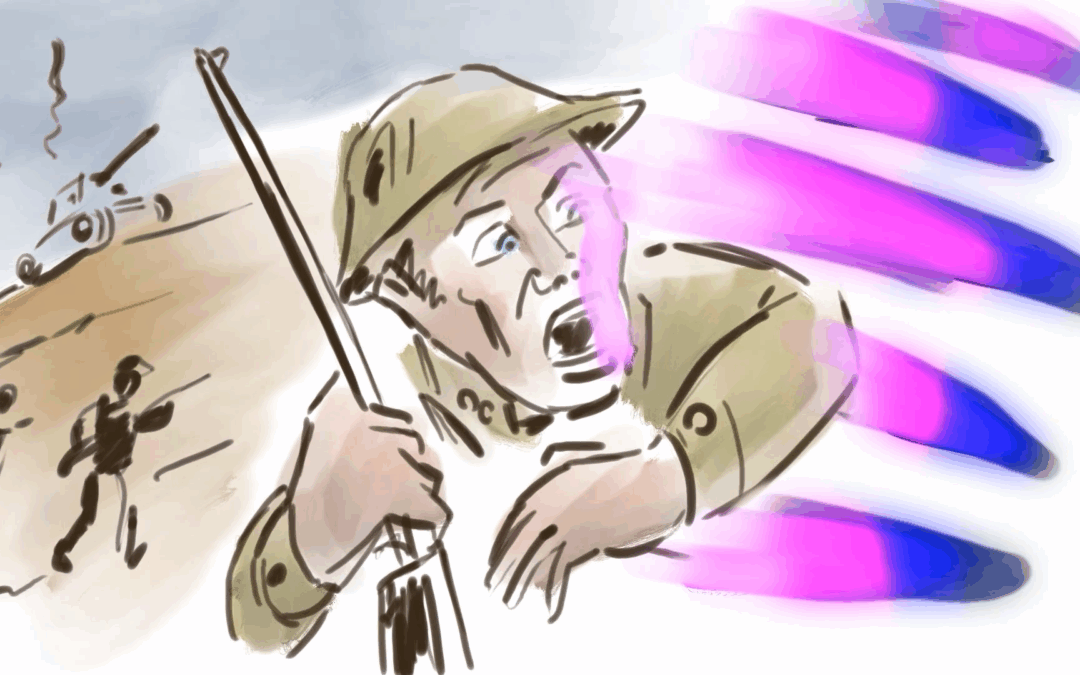
Trauma was presented as something the nervous system does, not something a person is. Visual metaphor carried most of the meaning. The body’s alarm system was shown responding to threat and then struggling to stand down.
Animation made it possible to show internal experience without reenactment. That distance matters. It allows recognition without forcing reliving, which is essential in trauma-focused communication.
How AI supported the process
AI-supported tools were used during specialized mental health video production to assist with concept development, visual testing, and animation workflow.
This allowed ideas to be tried, adjusted, and refined without long production delays. Importantly, AI did not shape the message. Decisions about tone, meaning, and safety remained human-led and clinically reviewed at every stage.
The role of the technology was to support clarity and efficiency, not to generate content independently.
What came out of it
The finished animation offers a clear explanation of trauma responses that can be used in patient education, training, and therapeutic contexts.
Feedback suggested that viewers felt understood rather than labelled. Many described relief at being able to name their reactions without feeling broken. Clinicians and educators valued the peer-reviewed structure and the absence of triggering material.
From a production perspective, the project showed that AI-supported animation can be used to create careful, clinically responsible mental health resources when guided by experienced leadership.
A final reflection
Trauma education works best when it slows things down rather than speeds them up.
This project explored whether a short animation could offer understanding without instruction, and explanation without exposure. For many viewers, it became a way to make sense of their experience without having to revisit the past.
Applying this approach
This way of working is well suited to trauma education, anxiety explainers, addiction-related content, and other areas where internal experience needs to be visualised carefully.
When AI-supported production is led by clinical insight and ethical restraint, it can widen access to understanding without lowering standards. That principle shaped this project throughout.
by Quint Boa, AI Video Executive & Producer
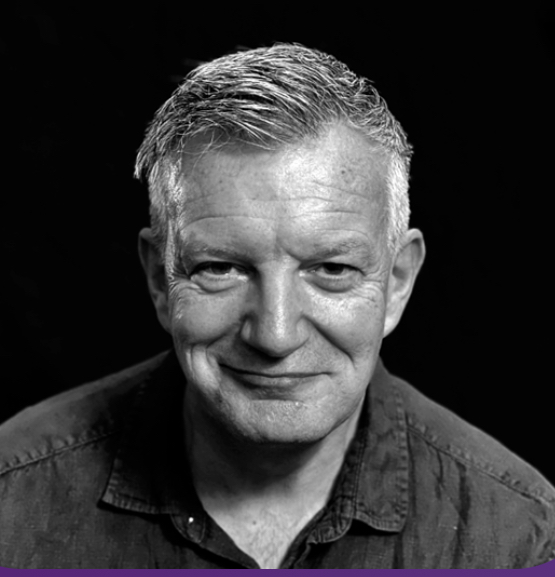
Quint is an Executive Producer specialising in AI video production for the healthcare sector. Quint has worked for over 40 years in the film, radio, and television industries. Twenty-five years ago, he founded Synima, a global video production company. Quint has embraced artificial intelligence in the creative process. Working with trusted colleagues, he’s developed a hybrid approach to AI within video production that expedites workflows and reduces costs. Quint believes ‘your health is your wealth’ and is enthiastic about every aspect of healthcare. As a UKCP-qualified psychologist, Quint feels uniquely equipped to support the communication challenges the healthcare faces by combining his experience with AI video production techniques, psychological insight and practical solutions.