
Navigating CAMHS Case Study
Helping families understand CAMHS before they ever walk through the door
Where this work began
For many families, the most stressful part of CAMHS happens before any appointment takes place. Referrals are made. Letters arrive. Waiting times stretch out. Children sense something is changing but are not always sure what it means. Parents are asked to explain a system they are only just beginning to understand themselves. Anxiety tends to grow in the space between referral and first contact.
I’ve seen this play out repeatedly in real services. By the time a family reaches a first appointment, much of the emotional temperature in the room is not only about the child’s difficulties. It is about uncertainty. What CAMHS actually is. What will happen. Who decides. Whether they are in the right place at all.
This project started with a straightforward question. Could a short animation help families understand CAMHS before they enter it, rather than after confusion has already escalated.
The problem it needed to address
What I kept noticing was how unclear the pathway felt to families before a first meeting. Parents were trying to explain CAMHS to their children while still figuring it out themselves. In that waiting period, the same questions surfaced again and again. Who reads the referral. Will the child have to speak alone. Is this therapy or an assessment. What if they are turned away.
They are small uncertainties on paper, but they accumulate. By the time the appointment arrives, the process itself can feel intimidating. That shapes how families walk into the room and how open they are able to be.
The aim of the animation was not to simplify the system artificially. It was to show it in sequence. Referral. Triage. Assessment. Possible next steps. Not as promises, but as a pathway.
Why animation made sense
Most explanations of CAMHS happen verbally and quickly, often at the end of a GP or school meeting. Families are expected to retain that information during a long wait. A short animation gave them something concrete they could return to and replay in their own time.
We chose animation because it allowed the pathway to be shown rather than described. Children and parents could see where they were in the process. It also avoided placing a single real family on screen. That mattered. The film needed to feel broadly recognisable without suggesting that one story represented everyone.
The tone was deliberate. Calm. Neutral. No dramatic music. No exaggerated scenarios. The aim was to lower anxiety, not heighten it.
The priority throughout production was practicality. The film needed to be clear and usable in real services, not polished for its own sake.
Writing and clinical grounding
The initial script was written by John Sheldon, a psychiatric nurse working within CAMHS. I developed it with him, keeping it anchored in what actually happens day to day rather than how services appear in policy documents.
We kept pulling it back to lived reality. We removed anything that sounded like a guarantee. Families are often told what support should look like. I wanted the animation to reflect how the process tends to feel on the ground, including waiting and uncertainty.
Language stayed plain. Sentences were short. The script was reviewed together to ensure it was accurate, age appropriate, and clear without drifting into advice or clinical interpretation. The film explains pathways and access. It does not diagnose or comment on treatment decisions.
How the animation was used
The finished piece was designed to move easily between settings. Schools began using it when CAMHS involvement was first discussed. GP practices shared it during referral conversations. NHS and local authority websites embedded it so families could watch privately at home.
Because much of the explanation sits in the visuals rather than dense wording, families can watch it together without working through heavy written material. Services also used it in waiting rooms where attention spans are short and anxiety is often high.
Over time, teams started pulling stills from the animation and incorporating them into their own printed materials. Clinicians have used selected frames in sessions, inviting children to point to where they feel they are in the process. That has been particularly useful when introducing unfamiliar steps.
Once produced, the film could be shared widely without additional cost. Small updates allowed regional adaptation without rebuilding the structure.
Recognition
In 2023, Navigating CAMHS received a Platinum Award at the TITAN Health Awards. The recognition focused on clarity and usefulness rather than creative flair. The animation was acknowledged because families and professionals were actively using it in real settings.
What changed for families and professionals
Families reported feeling calmer once they had a clearer sense of what CAMHS is and how it operates. Knowing what the first appointment might involve reduced some of the anticipatory anxiety. Parents described feeling better equipped to answer their children’s questions.
Professionals found that common procedural questions were addressed in advance. This meant early appointments could focus more fully on the child or young person rather than spending most of the session explaining the structure of the service.
The animation became a shared reference point. Something both sides could look at together.
Final reflection
The aim was simple. Help families understand the CAMHS pathway before they step into it. When people have a basic map of what lies ahead, the emotional temperature drops. Appointments begin differently. Children are less guarded. Parents are less tense. The work remains complex, but the starting point improves.
This project showed that a short, carefully grounded animation can reduce uncertainty without replacing human care. Clarity, delivered at the right moment, makes a measurable difference.
by Quint Boa, AI Video Executive & Producer
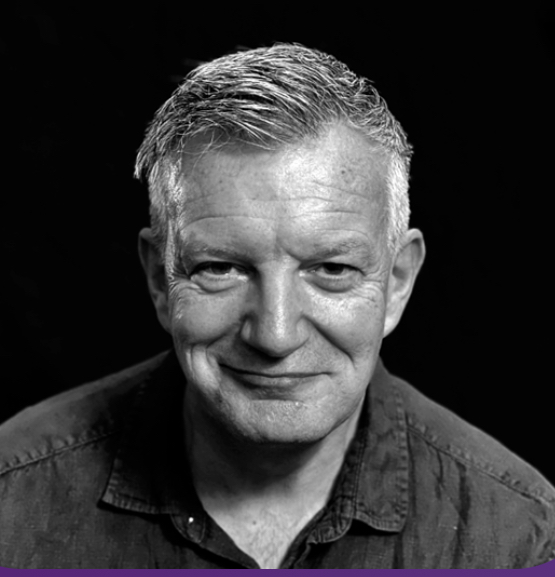
Quint is an Executive Producer specialising in AI video production for the healthcare sector. Quint has worked for over 40 years in the film, radio, and television industries. Twenty-five years ago, he founded Synima, a global video production company. Quint has embraced artificial intelligence in the creative process. Working with trusted colleagues, he’s developed a hybrid approach to AI within video production that expedites workflows and reduces costs. Quint believes ‘your health is your wealth’ and is enthiastic about every aspect of healthcare. As a UKCP-qualified psychologist, Quint feels uniquely equipped to support the communication challenges the healthcare faces by combining his experience with AI video production techniques, psychological insight and practical solutions.