
NACOA Case Study
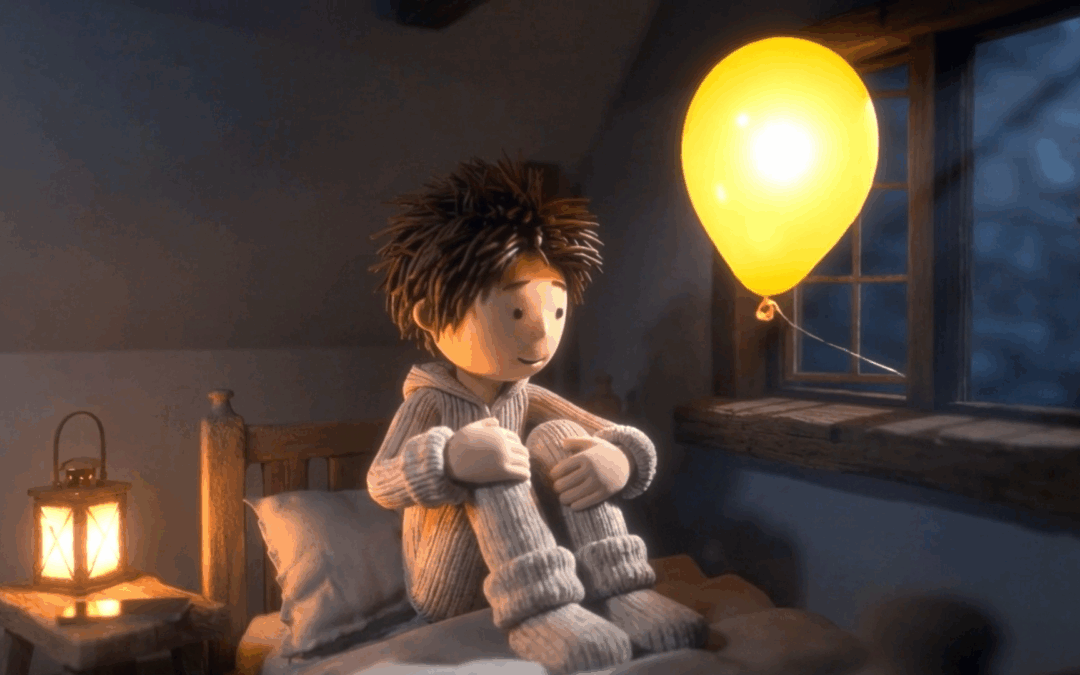
An animated film to help children and young adults find the NACOA helpline
How this project began
In November 2025, NACOA commissioned an animated film to help children and young adults affected by parental alcohol misuse find their way to the helpline.
The brief was simple but demanding. Many of the people NACOA exists to support do not know the organisation, do not see themselves as needing help, and may never have spoken to anyone about what life is like at home. The film needed to meet them where they already were.
Rather than explaining services or giving instructions, the animation was designed to feel recognisable. Its job was to make support visible without insisting that viewers label their experience or explain it to themselves first.
The context NACOA was working within
Children growing up around alcohol misuse often learn early not to draw attention to themselves. They adapt. They stay quiet. They manage emotions privately.
Many do not describe their experience as trauma or abuse. What they describe instead is unpredictability, emotional absence, and a sense that certain things simply cannot be talked about. Over time, this can make help feel irrelevant or out of reach.
Traditional information often misses this audience. Content can feel too adult, too clinical, or too distant from how life actually feels. NACOA wanted an approach that spoke in a different register, one that felt closer to lived experience.
The communication challenge
Promoting a helpline to children and young adults requires careful restraint.
The message needs to feel emotionally safe and non-judgemental while still making it clear that support exists. If the tone is too explicit, it risks alienation. If it is too abstract, it risks being ignored.
The aim here was to make emotional sense first. Intellectual understanding could follow later. The animation needed to guide viewers gently, without urgency, pressure, or alarm.
Who the film was for
The primary audience was children and young adults affected by parental alcohol misuse, particularly those with no previous contact with NACOA.
Secondary audiences included educators, youth workers, healthcare professionals, and parents who might share the film in appropriate settings.
The animation was designed to work as a standalone piece. It needed to be something someone could encounter privately, return to, or share without having to justify why.
My role in shaping the work
I acted as Executive Producer on the project.
My responsibility was to hold the psychological frame of the film while overseeing narrative structure and production decisions. The focus throughout was emotional suitability for younger audiences without drifting into simplification or reassurance that felt false.
Decisions around pacing, tone, and metaphor drew on my background as a UKCP psychotherapist with many years of experience working in addiction. My own recovery from alcoholism, and long-standing involvement in Alcoholics Anonymous, also shaped how carefully the work approached emotional invisibility and silence.
Working with NACOA
I worked closely with Piers Henriques throughout the project.
That collaboration kept the work grounded in NACOA’s safeguarding standards and day-to-day realities. Feedback from within the organisation helped refine tone and clarity, particularly around how the helpline was introduced. The aim was always support, not instruction.
Creative direction
Lucien De Vivo was appointed as Creative Director.
Under my direction, the animation developed a visual language that was calm, contemporary, and emotionally contained. There was no shock, confrontation, or dramatic reveal. Atmosphere carried the meaning.
Feelings of isolation, confusion, and emotional absence shaped the visual tone. The helpline appeared quietly, as a steady presence rather than a crisis response.
How AI was used
The animation was produced in late 2025 using a range of AI-supported tools, including Midjourney, Kling, Veo, and Higgsfield.
These tools supported parts of the production workflow, such as iteration and visual development. They did not generate the narrative or determine the psychological framing. Choices about content, tone, and meaning remained human-led throughout.
Safeguarding and governance
Safeguarding shaped the project from the beginning.
All work followed ethical and legal guidelines developed in collaboration with media lawyers. These covered intellectual property, safeguarding responsibilities, platform use, and the specific risks associated with generative tools in sensitive mental health contexts.
For a charity working with children and young adults, this level of governance is not optional. Innovation cannot come at the expense of trust or safety.
Accessibility and reach
Using animation made it possible to create high-quality work within realistic charity budgets and timelines.
It also widened accessibility. Visual storytelling reaches people who struggle with literacy, neurodivergence, or emotional language. The film can be shared across platforms and revisited without additional cost or pressure.
What the film made possible
The finished animation gave NACOA a clear and emotionally recognisable way to introduce the helpline.
Young people who may not have known support existed could encounter it safely. The film offered a way into conversation that did not demand disclosure or explanation. Barriers to help-seeking were lowered through tone, pacing, and familiarity.
Reflections
For NACOA, the animation became more than a promotional asset.
It functioned as a bridge between silence and support. It showed that AI-supported production, when governed carefully and led by clinical understanding, can help charities communicate complex emotional realities without losing credibility or care.
Applying this approach
This way of working is well suited to charities, public sector organisations, and educational bodies operating in addiction, trauma, and family systems.
When outreach and psychoeducation are designed around lived experience, restraint, and ethical governance, they are more likely to be encountered, trusted, and used. This project offers one example of that in practice.
by Quint Boa, AI Video Executive & Producer
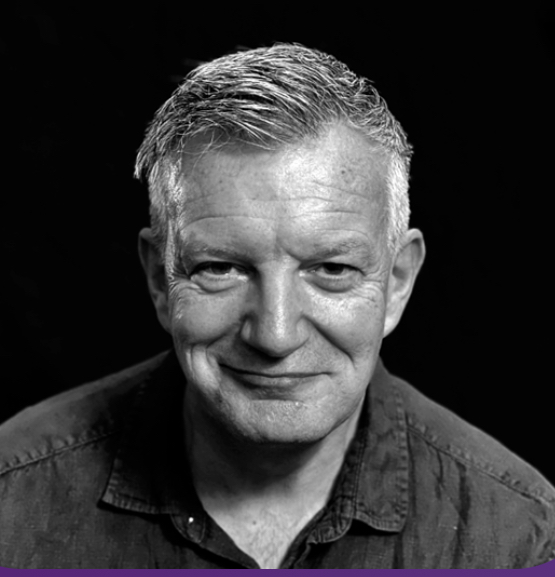
Quint is an Executive Producer specialising in AI video production for the healthcare sector. Quint has worked for over 40 years in the film, radio, and television industries. Twenty-five years ago, he founded Synima, a global video production company. Quint has embraced artificial intelligence in the creative process. Working with trusted colleagues, he’s developed a hybrid approach to AI within video production that expedites workflows and reduces costs. Quint believes ‘your health is your wealth’ and is enthiastic about every aspect of healthcare. As a UKCP-qualified psychologist, Quint feels uniquely equipped to support the communication challenges the healthcare faces by combining his experience with AI video production techniques, psychological insight and practical solutions.