COA Case Study
The Six Cs and the Quiet Power of Animation
How this project began
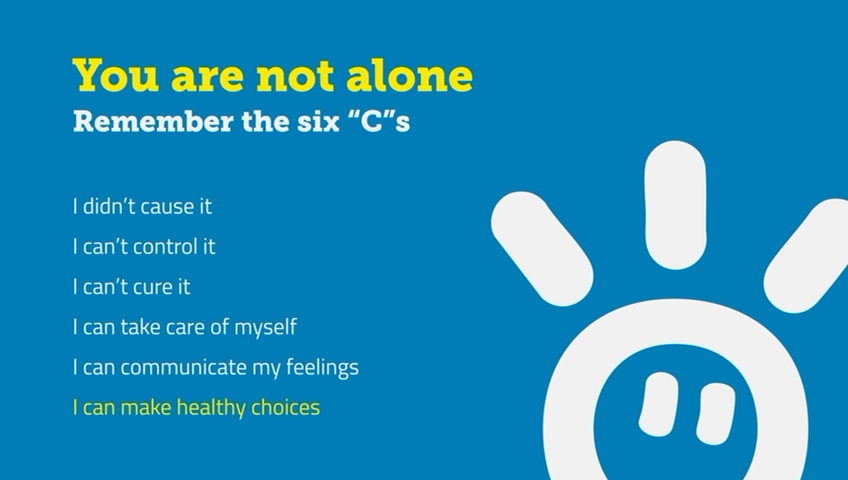
Every year, thousands of children live with a parent whose drinking shapes the emotional environment of the home. Schools, charities and clinical services across the UK often introduce what are known as the Six Cs – a framework that helps children understand what is happening around them and within their own emotional world.
When the National Association for Children of Alcoholics commissioned an animation centred on the Six Cs, the task was not simply informational. It was about communication. How do you translate complex emotional realities into something clear, safe and accessible for young audiences?
Children affected by parental alcohol misuse often carry beliefs they have never consciously examined. Many feel responsible. Others feel confused or believe they should somehow be able to fix what is happening at home. The Six Cs gently dismantle those assumptions. They give language to experiences that are often felt but rarely spoken about. Naming these experiences reduces isolation and creates structure around emotional uncertainty.
However, structure alone is not enough.
Why Animation Matters
Written resources remain important, but in moments of distress, dense text can feel overwhelming. Reading requires focus and stability that many young people simply do not have when home life feels unpredictable.
Animation creates distance without detachment. Through character, pacing and visual storytelling, it allows children to approach difficult truths indirectly. The brain processes imagery and narrative differently from written instruction. Visual storytelling regulates tempo, softens entry points, and holds attention in ways that feel less confrontational.
For younger viewers, or for those with limited reading confidence, this becomes even more important. Information feels accessible rather than intimidating. Emotional learning becomes experiential rather than instructional.
The goal of this project was to express the Six Cs in ways that felt recognisable and human. Not clinical. Not preachy. Simply relatable and clear.
From Insight to Action
Awareness has limited value if it does not connect to real support. Alongside explaining the Six Cs, the animation signposted viewers to available help, including the Nacoa Children’s Helpline. That connection is essential. Understanding reduces shame, while access to support reduces isolation.
The film was released during Children of Alcoholics Week, held from 9th to 13th February. National awareness moments can often feel symbolic. The intention here was practical. To create something usable and shareable. A resource that could be shown in classrooms, waiting rooms, and at home.
The Broader Question
Animation continues to prove itself as one of the most effective tools for communicating sensitive subjects to young audiences. As AI-enabled production evolves, the ability to create high-quality, emotionally intelligent content at scale is transforming how organisations communicate with children and families.
Technology alone does not create meaning. Craft, clarity and context still matter. When these elements align, animation becomes more than communication. It becomes a form of support. It allows children to recognise their own experience without feeling exposed.
Sometimes, that moment of recognition is the first step towards seeking help.