

In the feverish race to achieve AGI, one of the key markers is the ability of AI to cure cancer. The promise is pretty much rhetorical because cancer is universally feared. Nearly everyone knows someone affected by cancer, so the argument becomes framed in those terms: if you’re in opposition to AI development you’re anti-humanitarian. If the technology could save millions of lives, how could we justify slowing it’s exponential development?
But this is a manufactured dilemma. The central thesis, we’re repeatedly told, is either accelerate AI as fast as possible or lose its transformative benefits forever. But in the pursuit of ‘curing cancer’ we’re becoming reckless in the deployment of super intelligence which gives us down sides such as ‘Mythos’ the skeleton key to all of our financial infrastructure. So its worth re-examining the ‘cancer cure’ language which has become quazi religion in promising total erradication.
Cancer is hundreds of diseases, it’s genetically and environmentally diverse and biologically adapted. So while AI may accelerate drug discovery, improve imaging diagnostics, be fantastic at personalising treatments and, as alpha fold has taught us, model proteins or tumour behaviour, any promise of total erradication is pie in the sky. But why is this heresy?
According to Dr Emilia Javorsky, director of the futures program, the media led accelerationist position of ‘move fast and break things’ is wholy inappropriate to oncology which relies upon a more measured, clinical approach. While narrow AI can no doubt support advances in cancer research, to conflate the end point of curing cancer with the need for AGI is not only disingenious but is entirely self serving for the tech companies concerned.
According to Javorsky, we all need to take a pause in thinking about where this AI race is taking us. While we all want to advance into some sort of AI utopia (do we?), the risks of unbridled AI research (misalignment for one) mean the ‘utopia’ will almost certainly be ever receding as more problems are created using AI than we potentially could ever cure.
by Quint Boa, AI Video Executive & Producer
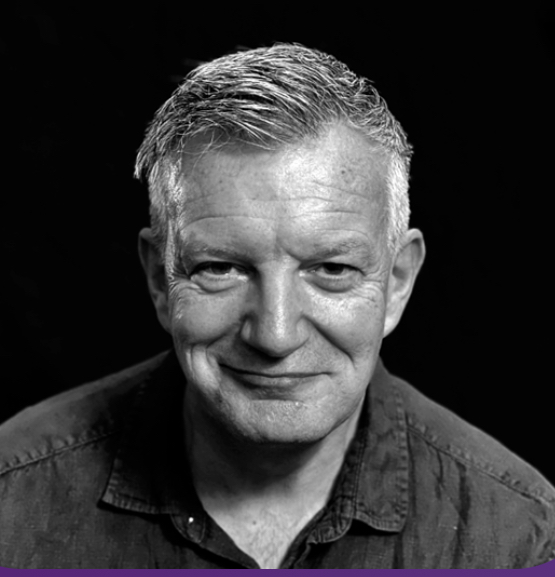
Quint is an Executive Producer specialising in AI video production for the healthcare sector. Quint has worked for over 40 years in the film, radio, and television industries. Twenty-five years ago, he founded Synima, a global video production company. Quint has embraced artificial intelligence in the creative process. Working with trusted colleagues, he’s developed a hybrid approach to AI within video production that expedites workflows and reduces costs. Quint believes ‘your health is your wealth’ and is enthiastic about every aspect of healthcare. As a UKCP-qualified psychologist, Quint feels uniquely equipped to support the communication challenges the healthcare faces by combining his experience with AI video production techniques, psychological insight and practical solutions.
