
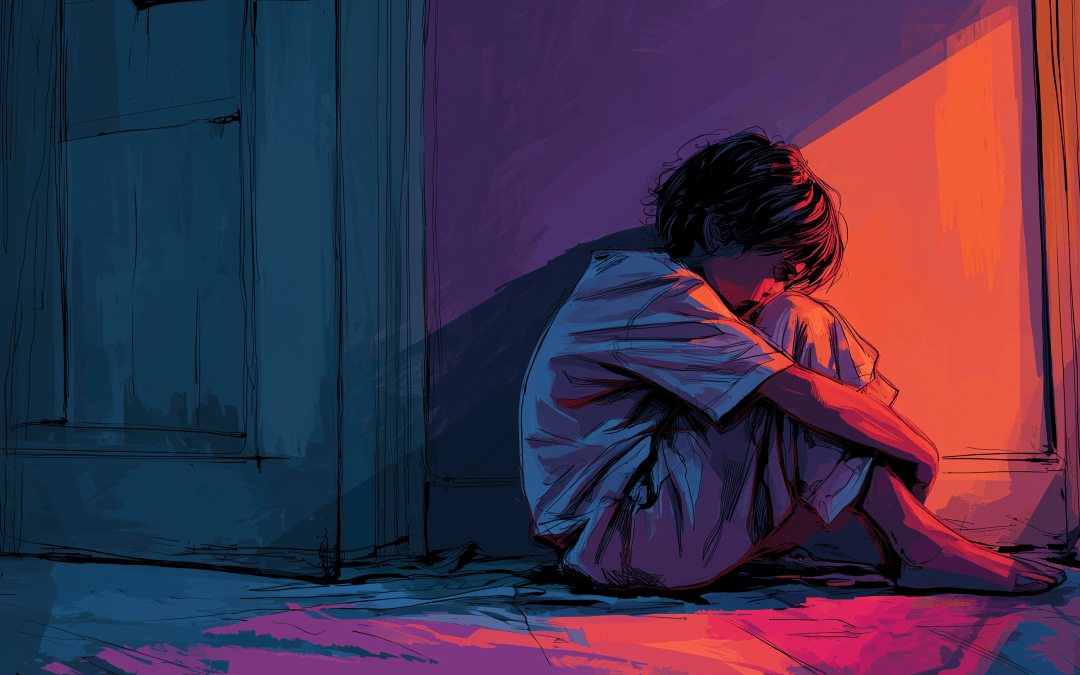
How Animation Can Support Trauma Treatment
Trauma is often described as an invisible wound. It does not always show up in ways that are easy to name, measure or explain. For many people, trauma is carried as a silence. Clients often sit in therapy knowing something profound is happening inside them but feeling unable to put it into words. The language falters. The mind goes blank. The feeling is: “I don’t know how to say this.”
Animation in psychotherapy uses digital, stop-motion or 2D and 3D animation as a therapeutic tool that helps clients express complex emotions, trauma and mental health experiences. By turning inner feelings into visual images or stories, animation provides a non-verbal way for people to explore, process and reframe difficult experiences within a safe and imaginative therapeutic setting.
Animation in psychotherapy – sometimes called animation art therapy – is a creative, non-verbal approach that uses stop-motion, claymation and digital animation to help clients express complex emotions, including traumatic experiences. By turning feelings into visual stories, animation can bridge communication gaps, ease anxiety and allow people to explore and narrate their experiences in a safe, symbolic environment.
Animation plays a powerful role in trauma treatment by offering a safe, visual medium to externalize and process overwhelming emotions and experiences. Through storytelling and relatable characters, animation helps individuals explore their struggles from a safe emotional distance, providing a sense of catharsis and understanding. Animated content can simplify complex trauma concepts, teach effective coping strategies, and validate personal experiences in a compassionate and accessible way. This approach is especially beneficial for children, as it improves emotional communication and fosters empathy, connection, and hope throughout the healing process.
For psychotherapists, this is a familiar moment. For clients, it can feel like failure, even shame. Yet this is not failure at all. It is the very nature of trauma to exceed language. It leaves people, quite literally, lost for words.
This is where animation can offer something uniquely powerful.
Why Animation Helps in Psychotherapy
Unlike written or spoken words, animation works through metaphor, imagery and symbolism. It allows experiences that resist explanation to be shown rather than told. If a client cannot say, “I feel shattered inside,” an animated image of a fractured mirror can carry that truth. If they cannot describe the constant vigilance of trauma, an animated image of eyes scanning a darkened street can hold the feeling for them.
Animation helps clients find words by first giving them images.
Metaphor has always been central to psychotherapy. We talk about “carrying a burden,” or “a storm inside,” or “building walls for protection.” Animation brings these metaphors alive, externalising them in a way that is safe, creative and often deeply relieving for the client.
Five Ways Animation Can Support Trauma Treatment
Based on my work at the intersection of psychotherapy and creative storytelling, I see at least five ways animation can meaningfully contribute to trauma work:
1. As a Diagnostic Aid
Trauma is notoriously difficult to map. Standard assessments capture symptoms but miss the texture of lived experience. Animation can help clinicians and clients co-create a representation of inner states that are otherwise invisible. A simple animated metaphor may capture more than a page of clinical notes.
2. As Part of Treatment
When a client is flooded with emotion, even describing what is happening can feel unsafe. By projecting those emotions into animation, the experience becomes externalised. It is no longer inside them in the same overwhelming way – it is outside, on a screen, where both therapist and client can look at it together.
3. As Psychoeducation
Many core concepts in trauma therapy are abstract or counter-intuitive, such as the “window of tolerance” or intergenerational ripple effects of addiction. Animation translates these ideas into clear, memorable metaphors. A 90-second film can often communicate what a lecture cannot.
4. Accessibility and Reach
Animation crosses barriers of age, culture and language. A traumatised child in London, a teenager in Amsterdam or a parent in Nairobi can all resonate with the same animated metaphor. This universality makes it a powerful tool for advocacy and public education.
5. Creative Empowerment
For many clients, seeing their inner world represented visually is profoundly validating. Animation can evolve alongside their healing journey, transforming fractured images into those of growth and integration. Watching this visual progress reinforces therapeutic change.
The Therapist’s Perspective
As a UKCP-registered psychotherapist, I have often seen how silence in the therapy room can feel like a barrier. Yet my parallel career in animation has shown me that silence is sometimes simply a space waiting to be filled with imagery.
When I founded Synima, our global animation agency, I never imagined that years later I would bring generative animation into therapeutic contexts. But the overlap has become impossible to ignore. Whether working with healthcare providers, charities or individuals, I see animation not as a gimmick but as a serious clinical ally.
AI-Generated Animation: A New Horizon
The rise of AI-generated animation has opened entirely new possibilities. What once required large budgets and long production times can now be created quickly and flexibly. This means animation can be customised to a client’s experience in real time, used by smaller practices, and integrated into psycho-educational campaigns at scale.
Of course, AI cannot replace the therapist. The nuances of empathy, presence and relational safety remain irreplaceable. But as a complement, AI-generated animation expands what we can do. It allows us to visualise inner experiences, communicate across divides and make trauma treatment more accessible than ever before.
From Clinic to Conference
The future of psychotherapy will not be built on technology alone, but neither can it ignore it. To truly serve our clients, we need creative tools that match the complexity of their experiences.
This is why I aspire to present these ideas at leading trauma and wellbeing conferences. From Oxford to Amsterdam to New York, the time feels right to show how metaphor, imagery and animation can deepen our understanding of trauma and extend the possibilities of treatment.
Why Animation Belongs in the Future of Trauma Therapy
At its core, animation is about storytelling – and trauma therapy, too, is about helping people reclaim their stories. Animation does not replace words or the therapeutic relationship. But it does something unique: it makes the invisible visible.
When words fail, images can speak.
When feelings overwhelm, symbols can contain.
When concepts confuse, stories can clarify.
Animation can inform diagnosis, treatment and education. It can empower clients, reach communities and bridge cultures. Most of all, it can help us honour the depth of human experience in a way that is safe, creative and profoundly human.
As therapists, educators and advocates, our task is not only to respond to trauma but to innovate in how we respond. Animation offers one of the most exciting frontiers for that innovation.
by Quint Boa, AI Video Executive & Producer
Quint is an Executive Producer specialising in AI video production for the healthcare sector. Quint has worked for over 40 years in the film, radio, and television industries. Twenty-five years ago, he founded Synima, a global video production company. Quint has embraced artificial intelligence in the creative process. Working with trusted colleagues, he’s developed a hybrid approach to AI within video production that expedites workflows and reduces costs. Quint believes ‘your health is your wealth’ and is enthiastic about every aspect of healthcare. As a UKCP-qualified psychologist, Quint feels uniquely equipped to support the communication challenges the healthcare faces by combining his experience with AI video production techniques, psychological insight and practical solutions.