
Novartis Case Study
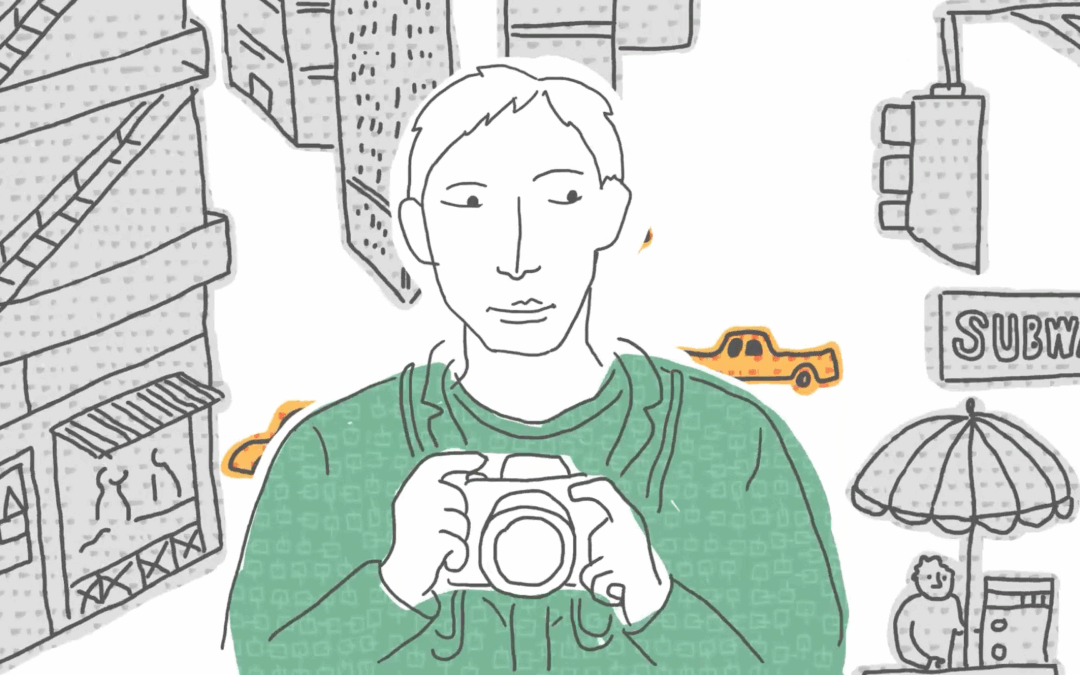
Hand-drawn animation and the lived experience of chronic myeloid leukaemia
Keeping the focus on lived experience
From the outset, I approached the film from a clinical point of view.
Living with a long-term cancer changes how people think about time and identity. Many feel physically well but remain aware of the diagnosis in the background. They attend monitoring appointments while trying to live normally. The tension sits quietly underneath daily life.
This is what people describe in therapy. Not crisis, but ongoing adjustment.
Waiting for results. Planning around medication. The slow shift in how they see themselves. These experiences rarely appear in medical education because they are not dramatic. They are repetitive and internal.
The film needed to stay with those realities.
No dramatic arcs.
No false resolution.
Just the texture of ordinary life with a serious diagnosis.
I worked closely with the creative team to keep everything grounded. Whenever something felt overstated, we cut it back. When language sounded too polished, we rewrote it. The tone had to remain recognisable.
Working inside pharmaceutical boundaries
The project sat within a regulated pharmaceutical environment.
There could be no treatment comparisons, no outcome claims, and no clinical advice. The film had to remain observational.
These limits were clear from day one. They shaped how we wrote and edited rather than being added later. My job was to keep the narrative within those lines without losing emotional truth.
We kept lived experience and medical information separate at all times.
The film does not teach.
It reflects.
AI tools were used only to support production tasks. They did not generate scripts or patient voice. Every creative decision was made by the human team. Responsibility stayed with us throughout.
Choosing a hand-drawn style
We chose hand-drawn animation early in development.
A softer visual style created room for ambiguity. It allowed emotion to sit on screen without being pinned down too tightly. That mattered for a subject where experience shifts from day to day.
I oversaw the visual direction as Executive Producer. The aim was warmth without sentimentality. Anxiety, waiting, and adjustment were shown through small visual metaphors rather than literal scenes. Nothing needed to be explained directly.
The narration stayed simple.
First-person voice.
Plain language.
No dramatic delivery.
That tone reflects how people actually talk about long-term illness. Most describe it quietly. They adapt over time rather than reaching neat conclusions.
Why animation worked
Some parts of chronic illness are hard to film.
The stretch of time between appointments.
The moment before opening results.
The background awareness that never fully disappears.
Animation allowed us to show these states without staging them artificially. It also meant we did not need real patients on screen. In a regulated environment, that distance protects people while keeping the emotional truth intact.
From a clinical perspective, this matters.
People recognise themselves more easily when they are not being directly observed. A small degree of distance can make reflection safer.
My role across production
As Executive Producer, I carried responsibility for narrative clarity and ethical representation. I worked with Novartis teams and external collaborators to keep the purpose steady. If something drifted towards promotion or instruction, we pulled it back.
I stayed closely involved across concept, script, visual design, and final edit, keeping the tone steady and the representation grounded.
Use after release
After internal rollout and approved external use, the film continued to circulate across internal platforms and patient-support settings. Internal figures place total views between 95,000 and 120,000. Average completion rates were around 68 percent, which is high for a reflective piece rather than an instructional one.
Feedback was consistent.
People described the film as accurate.
Useful for starting conversations.
Easy to recognise themselves in.
It has since been used in more than 30 patient-support meetings, workshops, and education sessions. The aim was always engagement rather than outcome measurement. The film exists to support recognition, not behaviour change.
Final thoughts
This project shows how animation can be used inside a pharmaceutical setting without losing credibility.
Clear boundaries helped rather than hindered. They kept attention on lived experience.
As Executive Producer, my task was to hold that focus from start to finish.
The technology supported the process.
The clinical perspective shaped the tone.
The story remained human.
by Quint Boa, AI Video Executive & Producer
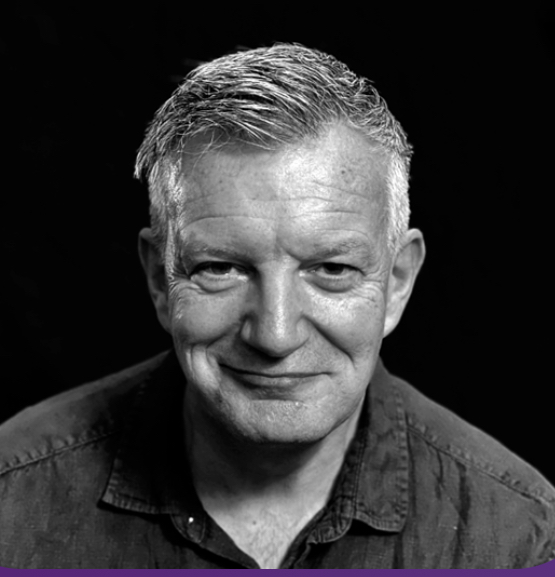
Quint is an Executive Producer specialising in AI video production for the healthcare sector. Quint has worked for over 40 years in the film, radio, and television industries. Twenty-five years ago, he founded Synima, a global video production company. Quint has embraced artificial intelligence in the creative process. Working with trusted colleagues, he’s developed a hybrid approach to AI within video production that expedites workflows and reduces costs. Quint believes ‘your health is your wealth’ and is enthiastic about every aspect of healthcare. As a UKCP-qualified psychologist, Quint feels uniquely equipped to support the communication challenges the healthcare faces by combining his experience with AI video production techniques, psychological insight and practical solutions.