
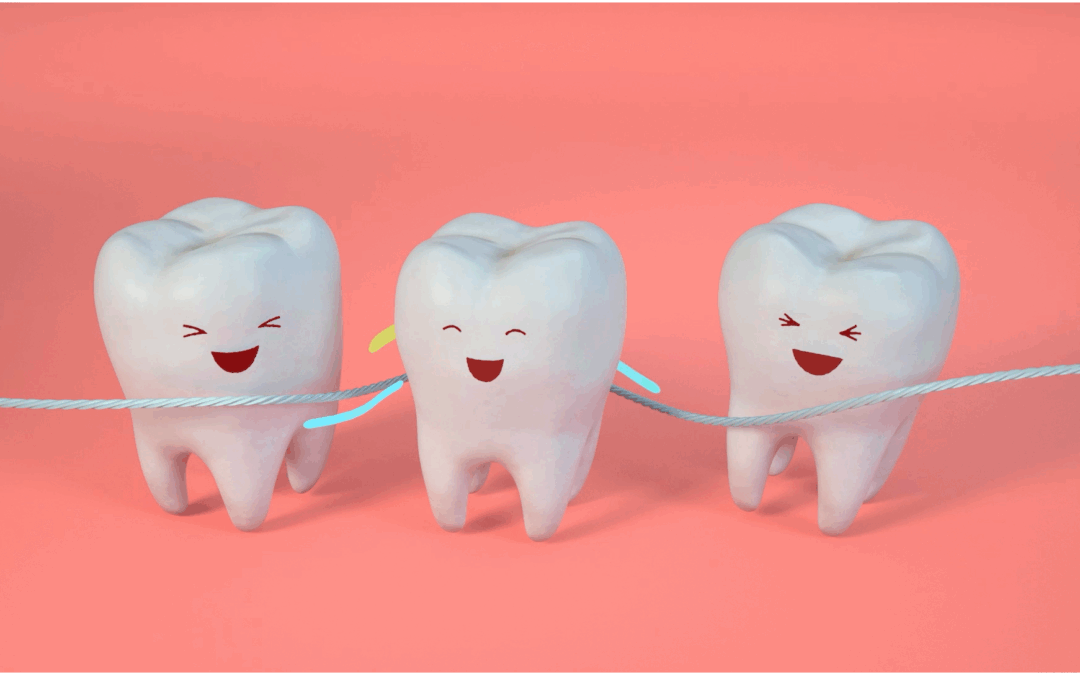
FDI World Health Case Study
World Oral Health Day
Overview
This case study documents an AI-enhanced motion graphics film produced for FDI World Dental Federation to support World Oral Health Day on 20 March. FDI represents more than one million dentists worldwide and leads global advocacy for oral health. The organisation required a short-form film that could deliver clear, evidence-based oral health guidance to a global public audience. Accessibility, trust, and ease of sharing across regions and platforms were central to the brief.
Context
World Oral Health Day creates a unique challenge for public-health communication. Messaging must reach diverse audiences across cultures, languages, and digital environments within a limited time window. FDI needed content that could connect everyday habits with long-term health outcomes while maintaining the authority expected of a global health body. Traditional production approaches risked slow delivery and limited adaptability at the scale required for a worldwide awareness campaign.
The Public Health Communication Challenge
Public oral health messaging must remain simple without becoming simplistic. For this campaign to succeed, the film needed to link daily behaviour with lifelong health. The message also had to reinforce the connection between oral health and overall physical wellbeing. Practical guidance needed to feel actionable rather than abstract. At the same time, the film had to work across cultures and platforms while preserving clarity and credibility. Balancing speed, accuracy, and scale became the central production challenge.
The Production Approach
I acted as Executive Producer on the project and led an AI-supported motion graphics workflow focused on clarity, pace, and universal understanding. The creative centred on a positive and empowering idea. Oral health forms part of overall health, and small daily actions make a real difference. The script translated professional guidance into direct, everyday language. Core behaviours included brushing twice daily with fluoride toothpaste, cleaning between teeth, attending regular dental check-ups, avoiding tobacco, choosing water as the main drink, and reducing sugar as part of a balanced diet. The campaign avoided fear-based messaging. Instead, it used an affirming line that anchored the film emotionally: “Be proud of your mouth. You use it every day.”
Creative Direction and Motion Graphics
Motion graphics were chosen to visualise these behaviours clearly and inclusively. The visual language avoided clinical or graphic imagery. Instead, it focused on simplicity, rhythm, and warmth to support broad engagement. Design choices ensured the film remained culturally neutral while still feeling human and relatable. AI tools were selectively integrated to accelerate visual development and iteration. Human oversight remained central to ensure tone, accuracy, and alignment with FDI’s public-health standards.
AI Software and Workflow
AI-assisted creative tools supported multiple stages of the production pipeline. These tools helped speed up concept exploration and visual ideation. Motion graphics layout, animation refinement, and transitions also benefited from AI support. The workflow enabled efficient versioning across formats and platforms. Elements of post-production, including timing and pacing, were optimised through AI-assisted processes. AI functioned as a support layer rather than a decision-maker, allowing faster delivery without compromising intent or accuracy.
AI Governance and Risk Management
AI use on this project followed a clear and proportionate governance framework appropriate to global healthcare communication. Human-led decision-making guided every stage of scripting, visual design, and final approval. The team did not use AI to generate clinical claims or unverified medical content. Script and messaging reviews ensured alignment with established oral health guidance. Generative tools remained limited to visual and production support rather than content authority. Clear ownership and accountability applied to all outputs. This approach protected trust, accuracy, and reputation while still allowing efficiency gains.
The Result
The final film became a successful global public-health communication asset for World Oral Health Day. During the campaign period, more than 100 national dental associations and partner organisations distributed the film. Audiences in over 120 countries viewed the content. Across owned and partner channels, the campaign achieved an estimated 1.8 to 2.4 million video impressions. Engagement metrics showed strong resonance. Average completion rates reached between 65 and 70 percent. More than 150,000 meaningful engagements followed, including shares, saves, and link clicks. Beyond the campaign window, dental professionals continued to use the animation as a patient education resource.
Operational Impact
The AI-enhanced workflow improved delivery as well as reach. Production timelines reduced by an estimated 30 to 40 percent compared to traditional methods. Faster turnaround did not compromise quality, accuracy, or governance. The approach also enabled efficient adaptation across platforms and regions while maintaining visual and narrative consistency.
Why AI-Enhanced Video Worked
This project shows how AI video production can support global health communication when applied responsibly. Speed, clarity, and scalability improved without undermining trust. For organisations like FDI, AI does not replace expertise. Instead, it enables accurate, human, and effective public-health storytelling at global scale.
by Quint Boa, AI Video Executive & Producer
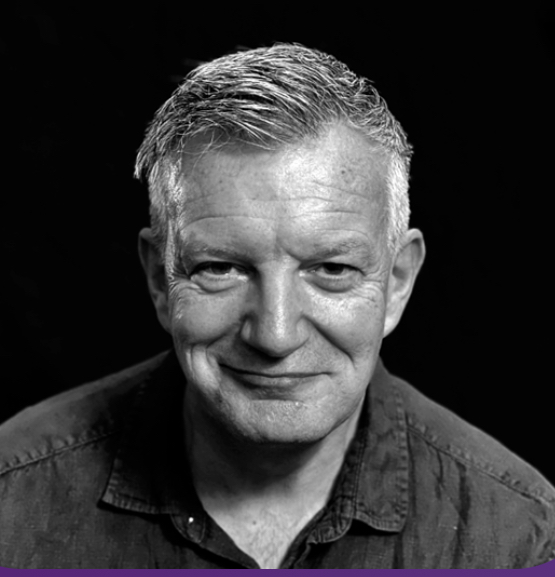
Quint is an Executive Producer specialising in AI video production for the healthcare sector. Quint has worked for over 40 years in the film, radio, and television industries. Twenty-five years ago, he founded Synima, a global video production company. Quint has embraced artificial intelligence in the creative process. Working with trusted colleagues, he’s developed a hybrid approach to AI within video production that expedites workflows and reduces costs. Quint believes ‘your health is your wealth’ and is enthiastic about every aspect of healthcare. As a UKCP-qualified psychologist, Quint feels uniquely equipped to support the communication challenges the healthcare faces by combining his experience with AI video production techniques, psychological insight and practical solutions.